
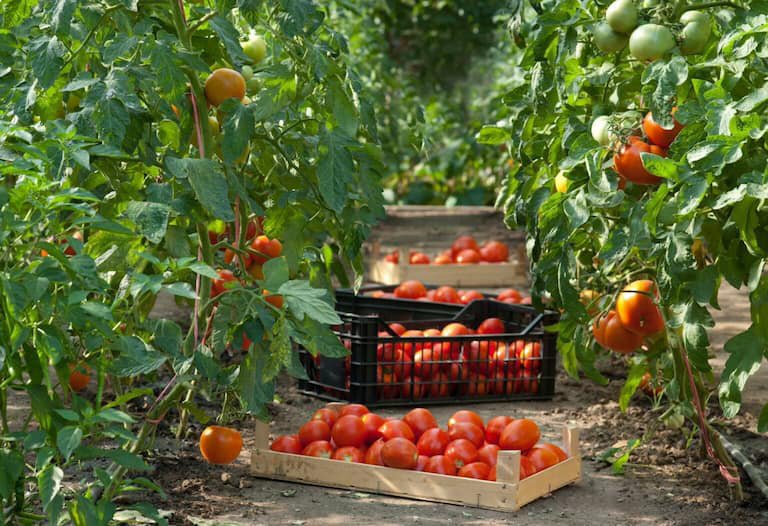
Growing tomatoes in pots at home is easy if you give them enough sunlight, water, and support. Here’s a simple beginner-friendly guide:
To grow Tomatoes at home in pots. you should follow following guidlines:
. 1 Choose the Right Pot
- Use a pot that is at least 12–18 inches deep
- Ensure the pot has drainage holes
- Bigger pots grow healthier plants
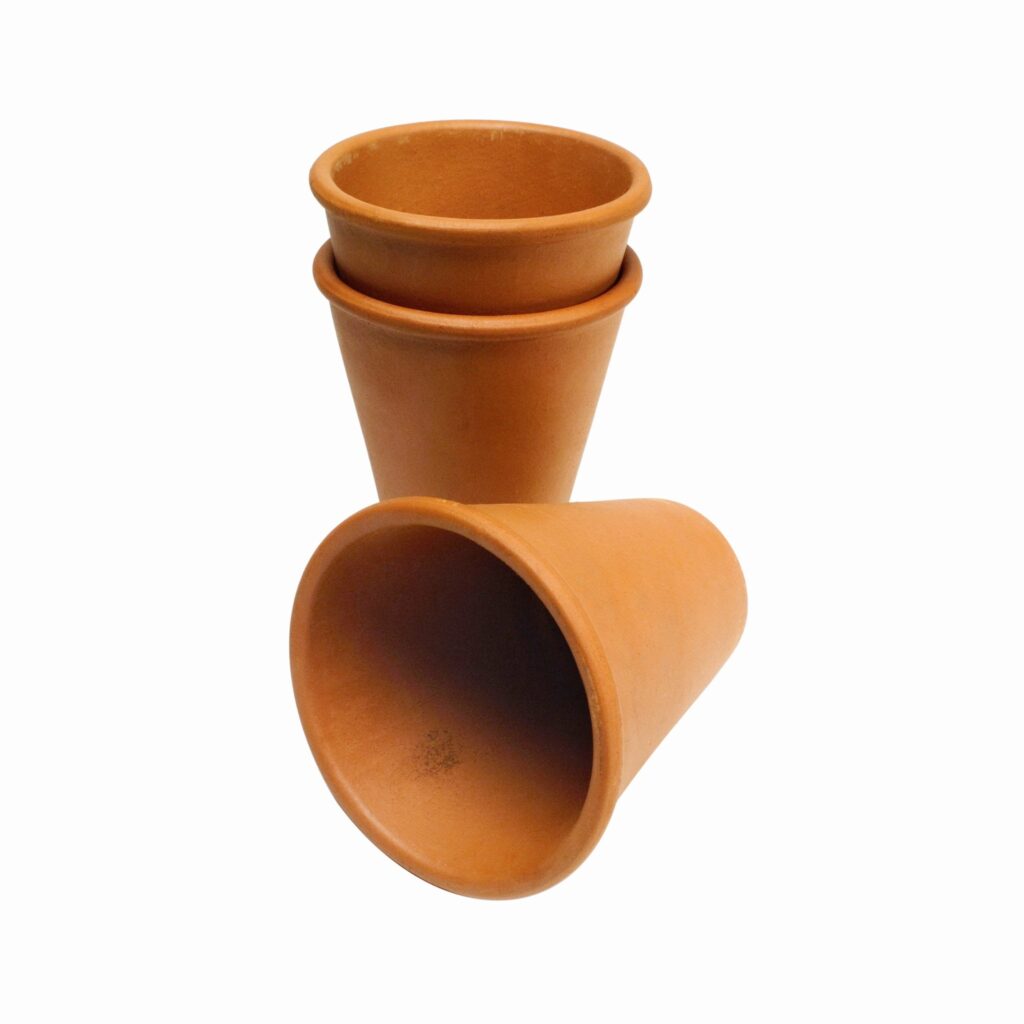
Good Pot Types
- Plastic pots (lightweight)
- Clay pots (better airflow)
- Grow bags
How to Choose the Right Pot for Growing Tomatoes
Choosing the correct pot is one of the biggest secrets to growing healthy tomato plants with lots of fruits.
1. Pot Size Matters Most
Tomatoes have deep roots, so they need space.
Recommended Pot Sizes
| Tomato Type | Minimum Pot Size |
|---|---|
| Cherry Tomato | 12 inch pot |
| Medium Tomato | 15–18 inch pot |
| Large Tomato Varieties | 20 inch or bigger |
✅ Bigger pots hold more soil and water
✅ Plants grow stronger
✅ Fruits become larger
2. Best Pot Materials
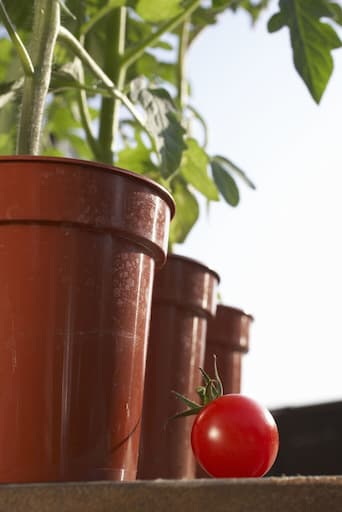
Plastic Pots
Pros
- Lightweight
- Cheap
- Holds moisture longer
Cons
- Gets hot in strong sun
Clay/Terracotta Pots
Pros
- Better airflow to roots
- Looks beautiful
Cons
- Dries faster
- Heavy
Grow Bags
Pros
- Excellent drainage
- Roots stay healthy
- Easy for terrace gardening
Cons
- Need more frequent watering
3. Drainage Holes Are Essential
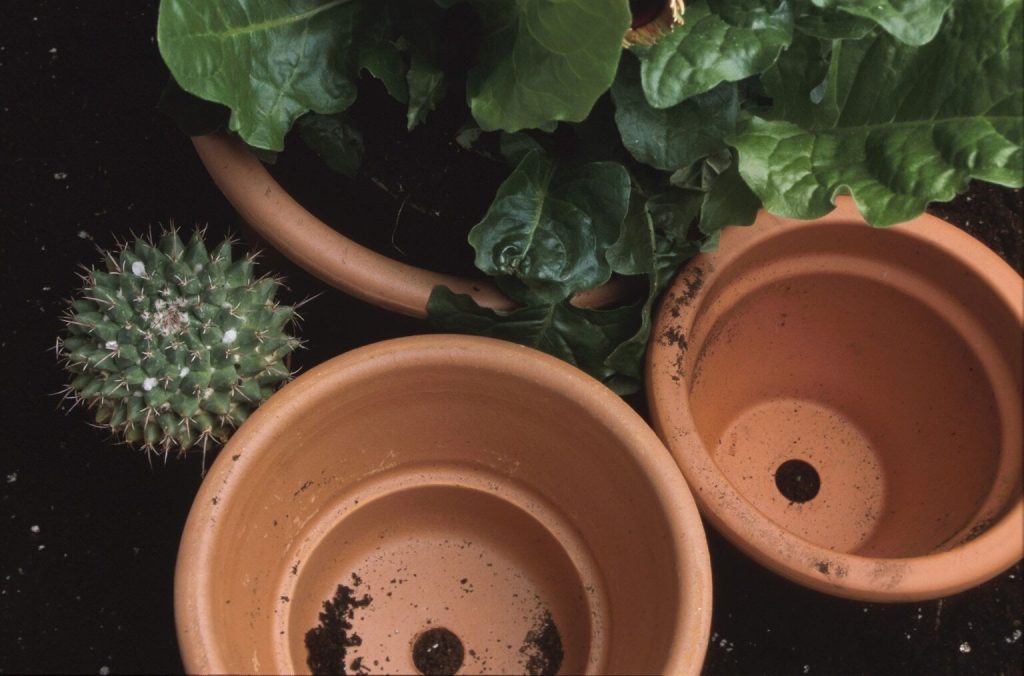
Never use a pot without holes.
Tomatoes hate standing water because it causes:
- Root rot
- Yellow leaves
- Fungus diseases
Ideal Setup
- 4–6 drainage holes at bottom
- Place small stones or broken tiles below soil
4. Depth Is Important
Tomatoes grow deeper roots than many plants.
Choose:
- Minimum 12 inches deep
- 15–18 inches deep is better
Deep pots:
✅ Hold nutrients longer
✅ Need less watering
✅ Support bigger plants
5. One Plant Per Pot
Avoid overcrowding.
Rule
- One tomato plant per medium or large pot
Too many plants:
❌ Compete for nutrients
❌ Give fewer tomatoes
❌ Spread disease faster
6. Pot Color Also Matters
In very hot places like Delhi:
- Light-colored pots stay cooler
- Black pots heat up faster in summer
If using black grow bags:
- Keep mulch on soil
- Avoid harsh afternoon heat
7. Best Pot Options for Beginners
Easy Choices
✅ 15–18 inch plastic pot
✅ 15–20 gallon grow bag
✅ Large paint bucket with drainage holes
✅ Cement pot for permanent setup
Simple Tomato Pot Formula
🪴 Big pot
🌱 Rich soil
☀️ Full sunlight
💧 Proper watering
🪵 Strong support
= Healthy tomato harvest 🍅
2. Select Tomato Variety
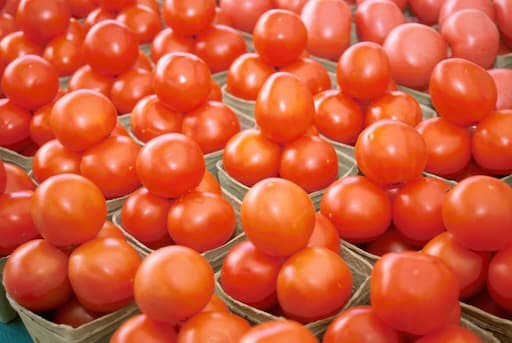
Best varieties for pots:
- Cherry tomatoes
- Roma tomatoes
- Patio tomatoes
- Dwarf tomato plants
How to Select the Right Tomato Variety 🍅
Choosing the correct tomato variety is very important because different tomatoes grow differently in pots, balconies, terraces, or gardens.
The best varieties for beginners are usually cherry, dwarf, or determinate (bush) tomatoes because they grow well in containers and need less maintenance.
1. Understand Tomato Types
Determinate Tomatoes (Bush Type)
These:
- Grow to a fixed height
- Produce fruits together
- Need less pruning
- Are best for pots and balconies
Best for:
✅ Beginners
✅ Small spaces
✅ Terrace gardening
Examples:
- Roma
- Patio
- Bush Early Girl
- Celebrity
Indeterminate Tomatoes (Vine Type)
These:
- Keep growing all season
- Produce more tomatoes over time
- Need strong support and large pots
Best for:
✅ Experienced gardeners
✅ Large terrace setups
✅ Heavy production
Examples:
- Beefsteak
- Brandywine
- Cherokee Purple
Large indeterminate tomatoes need bigger containers and stronger support systems.
Dwarf & Patio Tomatoes
Specially bred for pots and balconies.
Best for:
✅ Small balconies
✅ Indoor sunny windows
✅ Easy maintenance
Examples:
- Tiny Tim
- Micro Tom
- Patio Princess
- Tumbler
2. Choose Based on Your Goal
| Goal | Best Variety |
|---|---|
| Easy beginner growing | Cherry tomatoes |
| Sauces & cooking | Roma |
| Salads & snacks | Cherry / Sungold |
| Large sandwich tomatoes | Beefsteak |
| Small balcony | Tiny Tim / Patio |
| Heavy harvest | Determinate bush tomatoes |
3. Best Tomato Varieties for Homes
Cherry Tomatoes
Very easy and productive.
Why good:
✅ Fast growing
✅ Sweet taste
✅ Great for pots
Popular choices:
- Sungold
- Black Cherry
- Sweet Million
Cherry tomatoes are among the easiest and most productive tomatoes for containers.
Roma Tomatoes
Best for:
- Indian cooking
- Sauces
- Curries
Why people like them:
✅ Fleshy
✅ Less watery
✅ Productive
Many gardeners use Roma tomatoes for cooking because of their dense flesh.
Patio Tomatoes
Made specially for container gardening.
Why good:
✅ Compact size
✅ Easy support
✅ Great for terraces
Examples:
- Patio
- Patio Choice
- Patio Princess
4. Match Variety With Pot Size
| Pot Size | Recommended Variety |
|---|---|
| Small pot (8–10 inch) | Tiny Tim, Micro Tom |
| Medium pot (12–15 inch) | Cherry tomatoes, Roma |
| Large pot (18–20 inch) | Beefsteak, Brandywine |
Container success depends on matching plant size with pot size.
5. Best Beginner Recommendation
If you are starting for the first time:
🥇 Cherry Tomato
🥈 Roma Tomato
🥉 Patio Tomato
These are:
- Easier to grow
- More disease resistant
- Better for pots
- More productive in Indian weather
Reddit gardeners also frequently recommend dwarf, patio, and cherry varieties for containers because they are easier to manage and more reliable in pots.
Quick Success Formula
🪴 Small space → Dwarf tomato
🍅 More harvest → Cherry tomato
🍝 Cooking → Roma tomato
☀️ Large sunny terrace → Beefsteak
3. Use Good Soil
Mix:
- 60% garden soil or potting mix
- 30% compost/vermicompost
- 10% cocopeat or sand
The soil should be loose and drain water well.
Best Soil for Growing Tomatoes in Pots 🍅
Good soil is the foundation of healthy tomato plants. Tomatoes need soil that is:
- Rich in nutrients
- Loose and airy
- Well-draining
- Able to hold some moisture
Poor soil = weak plants and fewer tomatoes.
Ideal Tomato Soil Mix
Easy Home Formula
Best Mix for Pots
- 50% garden soil or potting soil
- 30% compost/vermicompost
- 20% cocopeat or river sand
This mix gives:
✅ Good drainage
✅ Strong roots
✅ Better fruit growth
✅ Healthy soil microbes
Why Each Ingredient Matters
Garden Soil
Provides:
- Base structure
- Minerals
- Stability
Avoid:
❌ Heavy clay soil
❌ Soil with stones
Compost / Vermicompost
This is tomato plant “food.”
Benefits:
✅ Adds nutrients
✅ Improves soil fertility
✅ Helps bigger tomatoes
Good options:
- Cow dung compost
- Vermicompost
- Kitchen compost
Cocopeat or Sand
Improves airflow and drainage.
Benefits:
✅ Prevents waterlogging
✅ Keeps roots healthy
✅ Helps root growth
Cocopeat is excellent for container tomatoes because it retains moisture while staying airy. (gardenersworld.com)
Soil pH for Tomatoes
Tomatoes prefer slightly acidic soil.
Ideal pH
pH≈6.0 to 6.8
If soil is too acidic or alkaline:
- Plants absorb nutrients poorly
- Leaves turn yellow
- Fruit production drops
Add These Natural Boosters
Neem Cake Powder
Helps:
✅ Prevent soil pests
✅ Improve soil health
Bone Meal
Rich in phosphorus.
Helps:
✅ Strong roots
✅ Better flowering
Wood Ash (Small Amount)
Adds potassium for:
✅ Bigger tomatoes
✅ Sweeter fruits
Too much ash can make soil alkaline, so use lightly.
Soil Preparation Before Planting
Step-by-Step
- Mix all ingredients well
- Fill pot leaving 2 inches space at top
- Water soil lightly
- Leave soil for 1 day before planting
This helps moisture spread evenly.
Common Soil Mistakes
❌ Using only garden soil
❌ Soil without drainage
❌ Too much fertilizer
❌ Reusing infected old soil
❌ Compact hard soil
Best Ready-Made Potting Mix
If you want easy gardening:
- Vegetable potting mix
- Organic tomato mix
- Raised bed mix
Look for:
✅ Lightweight texture
✅ Compost included
✅ Good drainage
Signs of Healthy Tomato Soil
✅ Dark brown color
✅ Earthy smell
✅ Loose texture
✅ Water drains easily
✅ Earthworms in compost
4. Planting the Seeds or Seedlings
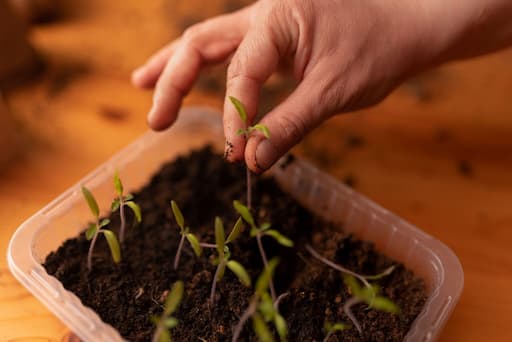
- Sow seeds about ½ inch deep
- Or buy small tomato seedlings
- Keep only the healthiest plant in one medium pot
Planting Tomato Seeds or Seedlings 🍅
Tomatoes can be grown either from:
- Seeds (cheaper and rewarding)
- Seedlings (faster and easier for beginners)
Both methods work well in pots and balcony gardens.
Option 1: Planting Tomato Seeds
Step 1: Fill Container With Soil
Use loose, nutrient-rich soil.
Best mix:
- Garden soil
- Compost/vermicompost
- Cocopeat
Fill seed trays or small cups.
Step 2: Sow the Seeds
Make small holes:
Seed depth≈21 inch
- Place 1–2 seeds per hole
- Cover lightly with soil
- Spray water gently
Do not bury seeds too deep.
Step 3: Keep Soil Moist
Water gently using:
- Spray bottle
- Light watering can
Keep soil:
✅ Moist
❌ Not waterlogged
Seeds usually germinate in:
- 5–10 days
Step 4: Give Sunlight
After sprouting:
☀️ Keep seedlings in bright sunlight
Tomatoes need:
- 6–8 hours sunlight daily
Option 2: Planting Tomato Seedlings
Seedlings are young tomato plants bought from nurseries or grown from seeds.
Step 1: Choose Healthy Seedlings
Good seedlings should have:
✅ Green leaves
✅ Thick stem
✅ No yellow spots
✅ No insects
Avoid weak or tall thin plants.
Step 2: Prepare Large Pot
Choose:
- 12–18 inch deep pot
- Drainage holes
Fill with rich tomato soil mix.
Step 3: Plant Deeply
Tomatoes can grow roots from stems.
Plant deeply so only top leaves stay above soil.
Plant deeply to encourage extra root growth
This helps:
✅ Stronger roots
✅ Bigger plants
✅ More tomatoes
Step 4: Water After Planting
Water thoroughly immediately after transplanting.
Then:
- Keep soil slightly moist for few days
Avoid harsh afternoon sun for 1–2 days after transplant.
Common Beginner Mistakes
❌ Planting too deep without drainage
❌ Overwatering seedlings
❌ Small pots
❌ Not enough sunlight
❌ Planting many tomatoes in one pot
Quick Growth Timeline
| Stage | Time |
|---|---|
| Seed germination | 5–10 days |
| Small seedlings | 2–3 weeks |
| Transplanting | 3–4 weeks |
| Flowers appear | 1–1.5 months |
| Tomatoes ready | 2–3 months |
Simple Success Formula
🌱 Healthy Seedlings + 🪴 Large Pot + ☀️ Sunlight + 💧 Proper Water = Lots of Tomatoes 🍅
5. Sunlight is Very Important
Tomatoes need:
- 6–8 hours of direct sunlight daily
- Balcony, terrace, or sunny window works well
6. Water Properly
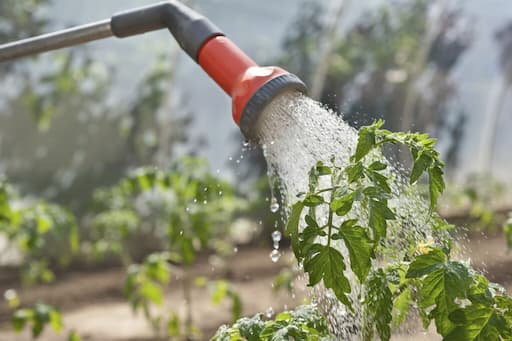
- Keep soil moist, not flooded
- Water once daily in summer
- Avoid wetting leaves too much
7. Add Support
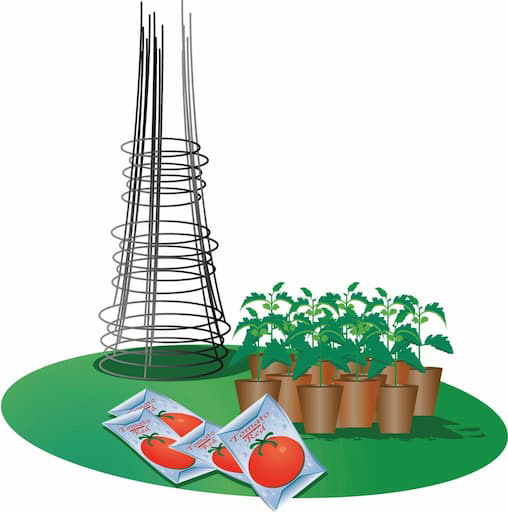
Tomato plants bend when fruits grow.
Use:
- Bamboo sticks
- Tomato cages
- Rope support
8. Fertilizer
Every 15 days add:
- Compost
- Cow dung manure
- Banana peel fertilizer
- Mustard cake liquid fertilizer
For growing bigger, healthier tomatoes in pots, the most important nutrients are phosphorus (P) and potassium (K) during flowering and fruiting stages. Too much nitrogen gives only leaves, not big tomatoes.
Homemade Fertilizers That Also Work Great
Banana Peel Fertilizer
Rich in potassium → helps bigger tomatoes.
Compost + Vermicompost
Improves soil health naturally.
Onion Peel Tea
Onion peels contain potassium and calcium that support healthy tomato growth.
Simple Feeding Schedule for Pots
| Plant Stage | Fertilizer |
|---|---|
| After transplanting | Compost + bone meal |
| Vegetative growth | Balanced fertilizer |
| Flowering | Seaweed fertilizer |
| Fruiting | High potassium fertilizer |
Important Tips for Bigger Tomatoes
✅ Use large pots (15–20 inch)
✅ Give 6–8 hours sunlight
✅ Water consistently
✅ Remove extra side shoots
✅ Do not overuse nitrogen fertilizer
Eggshell Powder
Adds calcium and reduces blossom-end rot.
- Yellow leaves → too much water
- Flowers falling → less sunlight
- Small insects → spray neem oil
9. Watch for Problems
Common issues:
Tomato Diseases and Their Treatments 🍅
Tomato plants can get fungal, bacterial, viral, and watering-related diseases. Early detection and quick treatment can save your plants and improve harvests.
1. Early Blight
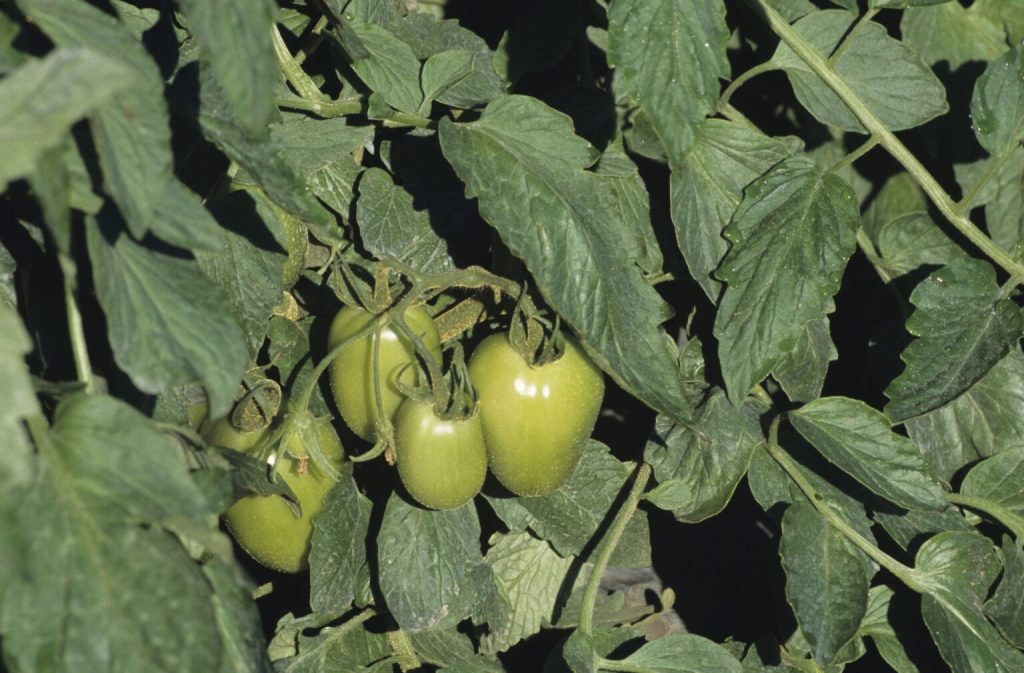
Symptoms
- Brown circular spots on lower leaves
- Yellow leaves
- Drying branches
Cause:
- Fungal infection in warm humid weather
Treatment
✅ Remove infected leaves
✅ Spray neem oil weekly
✅ Use copper fungicide if severe
✅ Avoid watering leaves
2. Late Blight
Symptoms
- Black patches on leaves and fruits
- Fast-spreading damage
- Rotten tomatoes
Cause:
- Wet and rainy conditions
Treatment
✅ Remove infected plants immediately
✅ Improve airflow
✅ Keep leaves dry
✅ Spray fungicide during rainy season
Late blight spreads rapidly in cool wet conditions and can destroy crops quickly.
3. Blossom End Rot
Symptoms
- Black sunken bottom on tomatoes
Cause:
- Calcium deficiency
- Uneven watering
Treatment
✅ Add calcium:
- Eggshell powder
- Bone meal
✅ Water consistently
✅ Mulch soil
Tomatoes need steady moisture and calcium balance to prevent blossom-end rot.
4. Leaf Curl
Symptoms
- Leaves curl upward
- Plant appears stressed
Cause:
- Heat stress
- Overwatering
- Whiteflies
- Viral infection sometimes
Treatment
✅ Protect from extreme heat
✅ Water properly
✅ Control whiteflies with neem spray
5. Powdery Mildew
Symptoms
- White powder-like layer on leaves
Cause:
- Fungus
Treatment
✅ Spray neem oil
✅ Improve airflow
✅ Remove affected leaves
6. Wilt Disease
Symptoms
- Sudden drooping
- Yellow leaves
- Plant wilting even after watering
Cause:
- Soil fungus or bacteria
Treatment
✅ Use fresh healthy soil
✅ Avoid waterlogging
✅ Rotate crops
✅ Remove infected plants
7. Mosaic Virus
Symptoms
- Yellow-green mosaic patterns
- Distorted leaves
- Weak growth
Cause:
- Viral infection spread by insects/tools
Treatment
❌ No cure once infected
✅ Remove infected plant
✅ Control aphids and whiteflies
✅ Clean gardening tools
8. Cracking Tomatoes
Symptoms
- Fruit splits and cracks
Cause:
- Irregular watering
Treatment
✅ Water consistently
✅ Mulch soil
✅ Harvest ripe tomatoes quickly
Common Tomato Pests and Treatment
| Pest | Symptoms | Treatment |
|---|---|---|
| Aphids | Sticky leaves | Neem spray |
| Whiteflies | Weak leaves | Yellow sticky traps |
| Spider mites | Tiny webs | Soap water spray |
| Caterpillars | Holes in leaves/fruits | Hand removal + neem oil |
Best Organic Treatment Spray
Neem Oil Spray Recipe
Mix:
- 1 liter water
- 5 ml neem oil
- Few drops liquid soap
Spray weekly in evening.
Disease Prevention Tips
☀️ Give 6–8 hours sunlight
💨 Maintain airflow
💧 Avoid overwatering
🍂 Remove dead leaves
🪴 Use healthy soil
🪵 Support plants properly
Quick Disease Identification Table
| Disease | Main Symptom | Main Cause |
|---|---|---|
| Early blight | Brown spots | Fungus |
| Late blight | Black patches | Wet weather |
| Blossom end rot | Black fruit bottom | Calcium/water |
| Powdery mildew | White powder | Fungus |
| Wilt | Drooping plant | Soil disease |
| Mosaic virus | Yellow-green patterns | Virus |
10. Harvesting
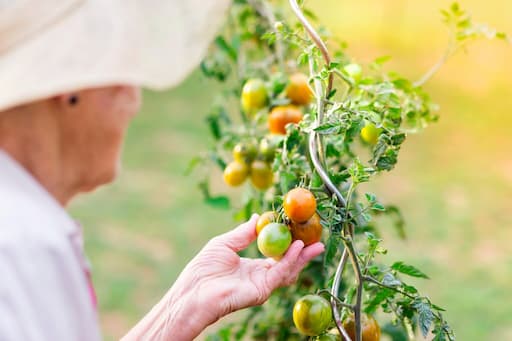
- Tomatoes are ready in about 60–90 days
- Pick when fully red and slightly soft
Harvesting Tomatoes 🍅
Harvesting tomatoes at the right time gives the best taste, color, and nutrition. Picking properly also helps the plant produce more tomatoes.
When Are Tomatoes Ready to Harvest?
Tomatoes are ready when they are:
✅ Fully colored
✅ Slightly soft when pressed
✅ Easy to twist off the plant
Different varieties ripen into:
- Red
- Yellow
- Orange
- Purple
- Green-striped
Harvest Time After Planting
Most tomatoes are ready in:
Harvest time≈60–90 days after planting
Faster varieties
- Cherry tomatoes: 55–70 days
Larger varieties
- Beefsteak tomatoes: 80–100 days
Best Time of Day to Harvest
🌅 Early morning is best.
Why?
✅ Tomatoes stay fresh longer
✅ Plants are less stressed
✅ Better flavor retention
Avoid harvesting during extreme afternoon heat.
How to Harvest Properly
Method 1: Twist Gently
Hold tomato and twist softly until it comes off.
Method 2: Use Scissors/Pruners
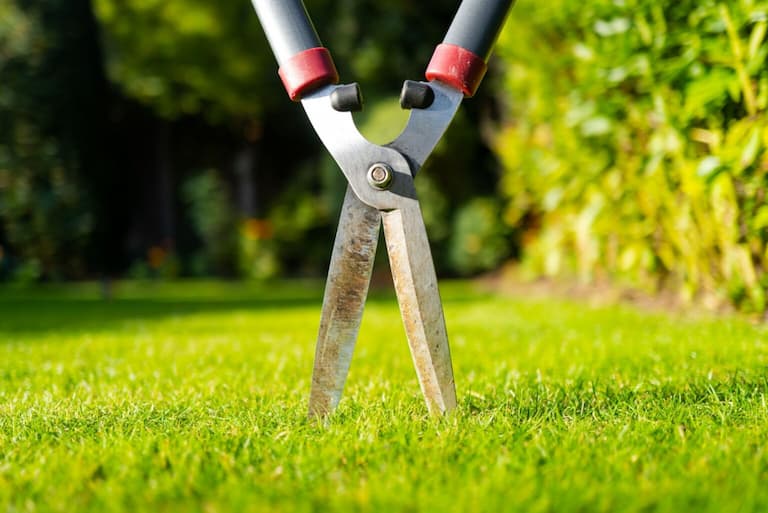
Best for:
- Thick stems
- Large tomatoes
Avoid pulling hard because it can damage branches.
Harvesting Stages
Fully Ripe Harvest
Best for:
🍴 Eating fresh
🥗 Salads
🍅 Maximum sweetness
Slightly Early Harvest
Pick when tomatoes are:
- Light red/orange
Useful because:
✅ Reduces cracking
✅ Protects from birds/insects
✅ Tomatoes continue ripening indoors
Tomatoes can continue ripening after harvest due to ethylene production. (gardenersworld.com)
Signs of Overripe Tomatoes
❌ Very soft
❌ Wrinkled skin
❌ Cracks
❌ Sour smell
Use quickly for:
- Sauces
- Soup
- Puree
Tips for Bigger Harvests
Harvest Regularly
Frequent picking encourages:
✅ More flowering
✅ More tomatoes
Remove Damaged Fruits
Prevents:
✅ Disease spread
✅ Pest problems
Support Heavy Branches
Heavy fruit clusters can break stems.
Use:
- Bamboo sticks
- Tomato cages
Storing Harvested Tomatoes
Best Storage
- Room temperature
- Away from direct sunlight
Avoid refrigeration unless fully ripe and very soft.
Cold temperatures can reduce flavor and texture.
Common Harvest Problems
| Problem | Cause |
|---|---|
| Cracked tomatoes | Irregular watering |
| Small tomatoes | Poor nutrition |
| Green shoulders | Too much heat |
| Fruits falling early | Stress or watering issues |
Quick Tomato Harvest Formula
☀️ Good sunlight + 💧 Consistent watering + 🍂 Proper feeding + 🍅 Regular harvesting = More tomatoes